

Blog
Insights, commentary, and updates from the replication community.
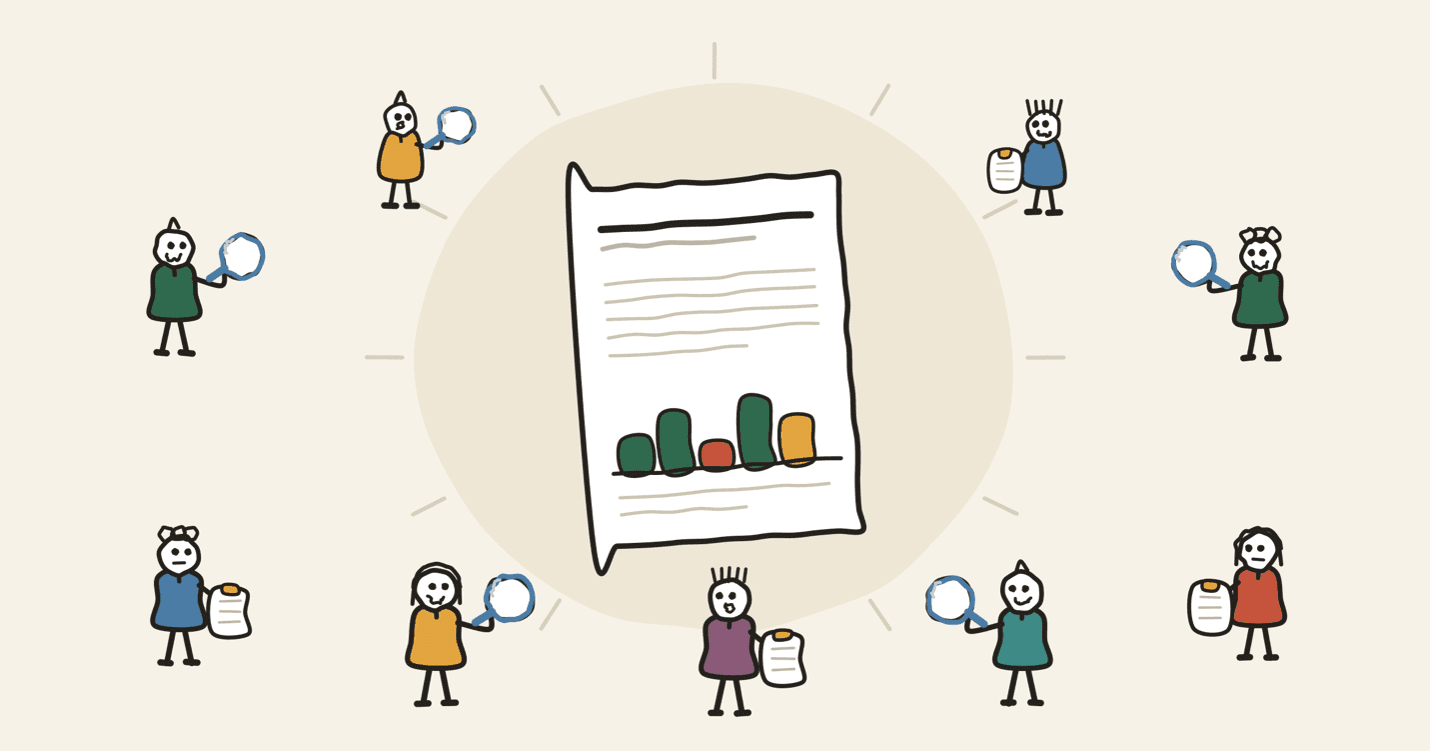
How can we link publications to replications and generalizations? Improving the findability of replications and retractions
Science is supposed to be a self-correcting system. But how well can it correct itself if we do not know which studies have subsequently been replicated, reproduced, generalized—or failed to replicate?
September 24, 2026 · Josefina Weinerova, Jan Marcus, Rene Bekkers

I4R Finally Has a Newsletter!
September 18, 2026 · Ghina Abdul Baki
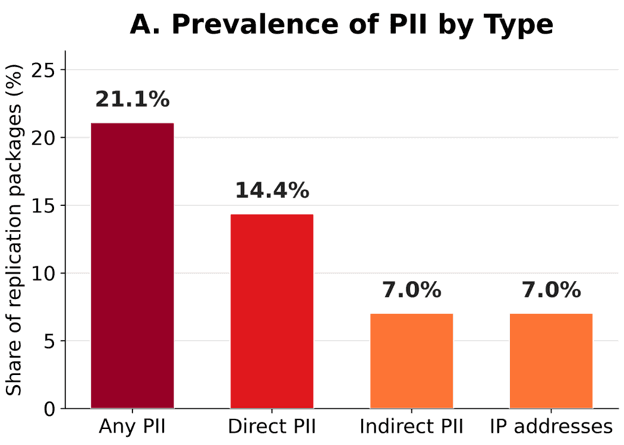
When Replication Packages Reveal Too Much: Personally Identifiable Information in the Social Sciences
September 5, 2026 · Abel Brodeur and David Valenta
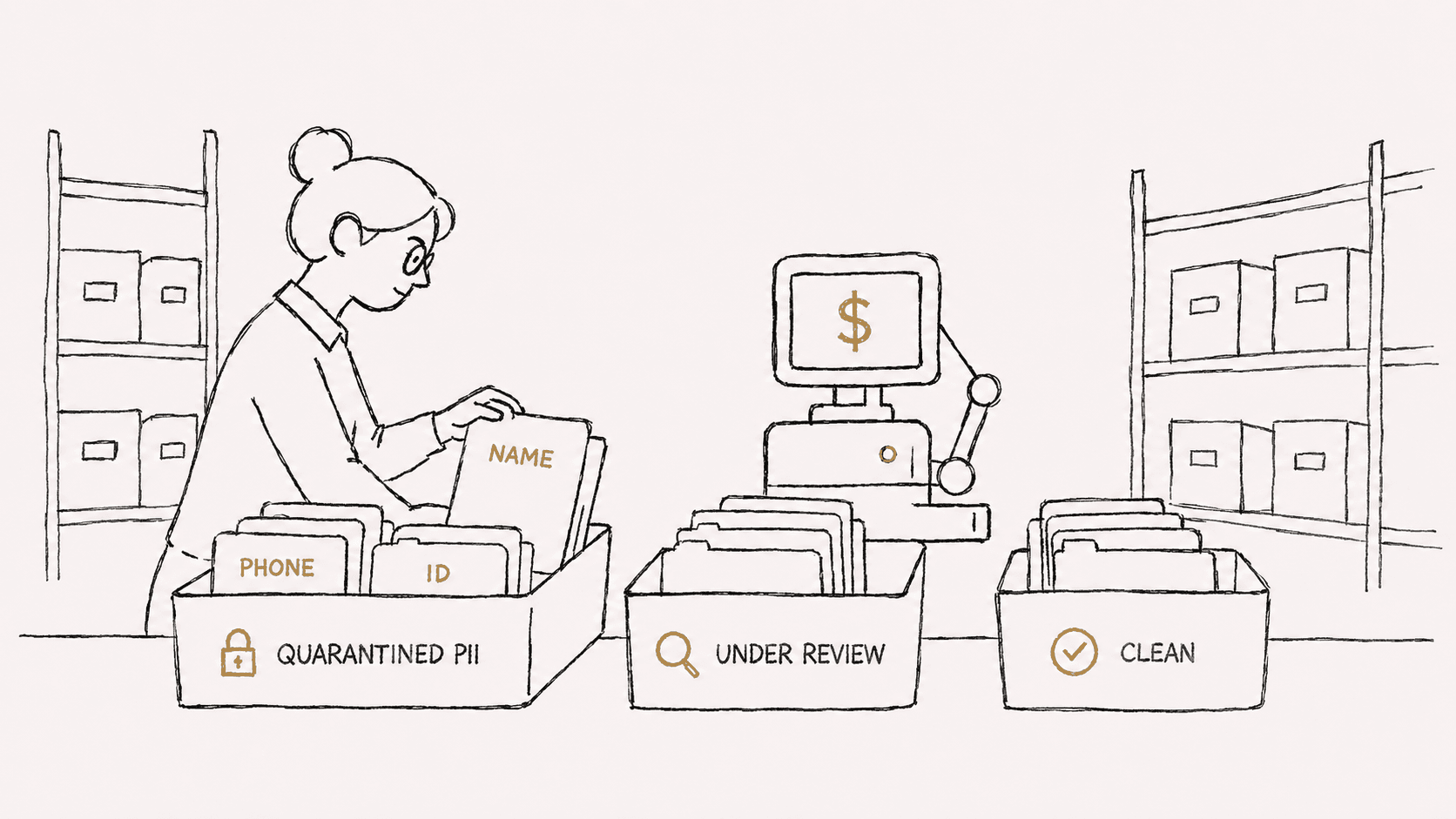
What Would It Cost to Remove Direct PII from Public Replication Packages?
September 4, 2026 · Abel Brodeur and David Valenta
Not Wrong: The Replication Crisis is a Metatheory Crisis?
August 27, 2026 · Nate Breznau
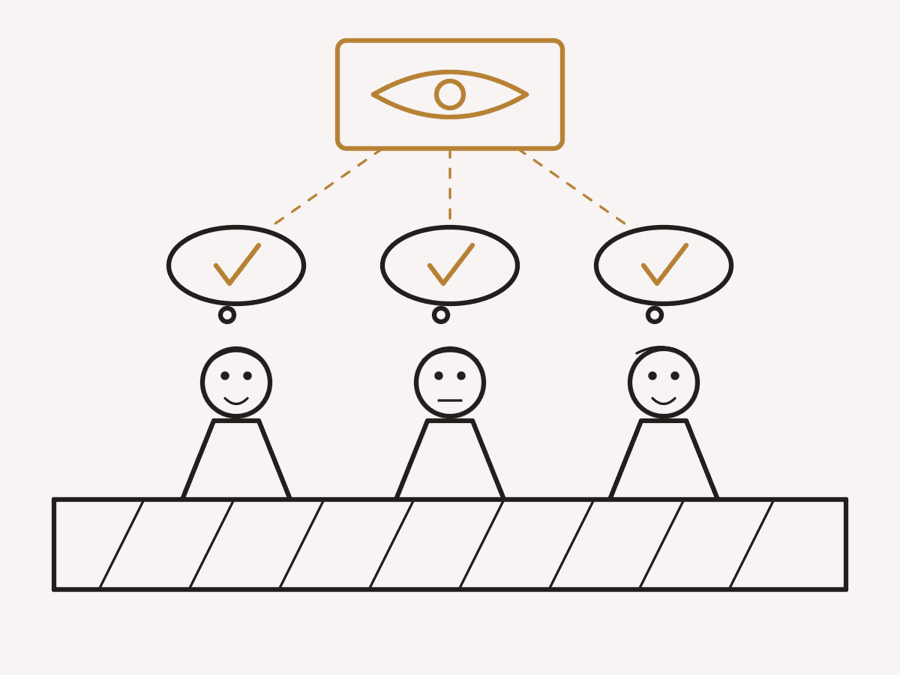
The Correlated Referee
If every journal (or any committee that makes a decision) screens work with the same AI, the reviewers stop being independent, and independence was the point.
August 24, 2026 · Ghina Abdul Baki
Coding Inconsistencies and Their Impact
What is the impact of a coding discrepancy?
August 20, 2026 · Derek Mikola
The boubafied-kiki model of communication
A personal reflection about assumptions in interpersonal communication
August 10, 2026 · Luna Fazio